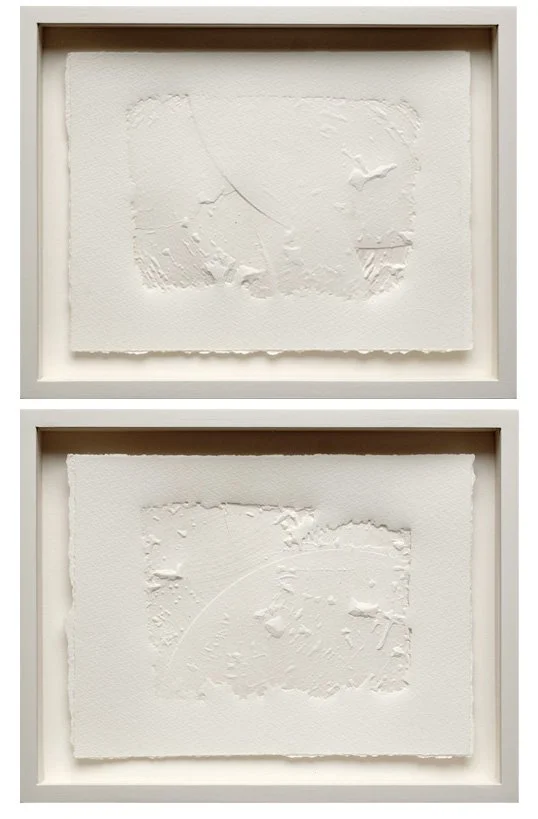
Exhibition todos los restos
As a whole, the project proposes sustained attention to what typically remains on the margins: wear, residue, and that which has been inhabited by other organisms and other times. Far from closing off a discourse, the works invite us to read matter as a living archive and to recognize impermanence not as a loss, but as an active condition of meaning. (Extract from the gallery text)Bruno Leitão 2026
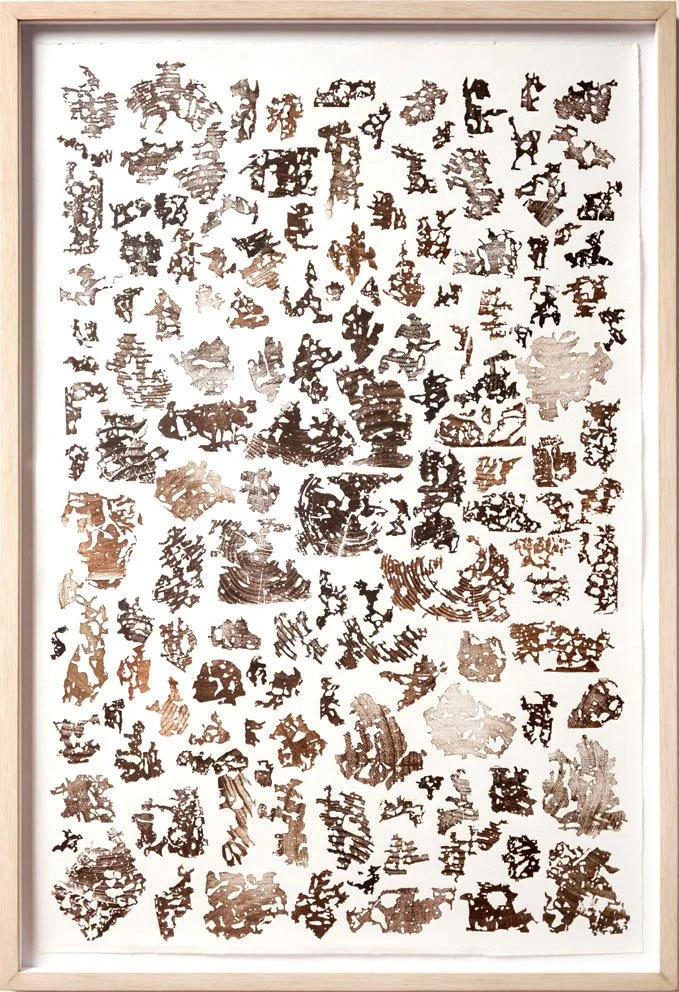
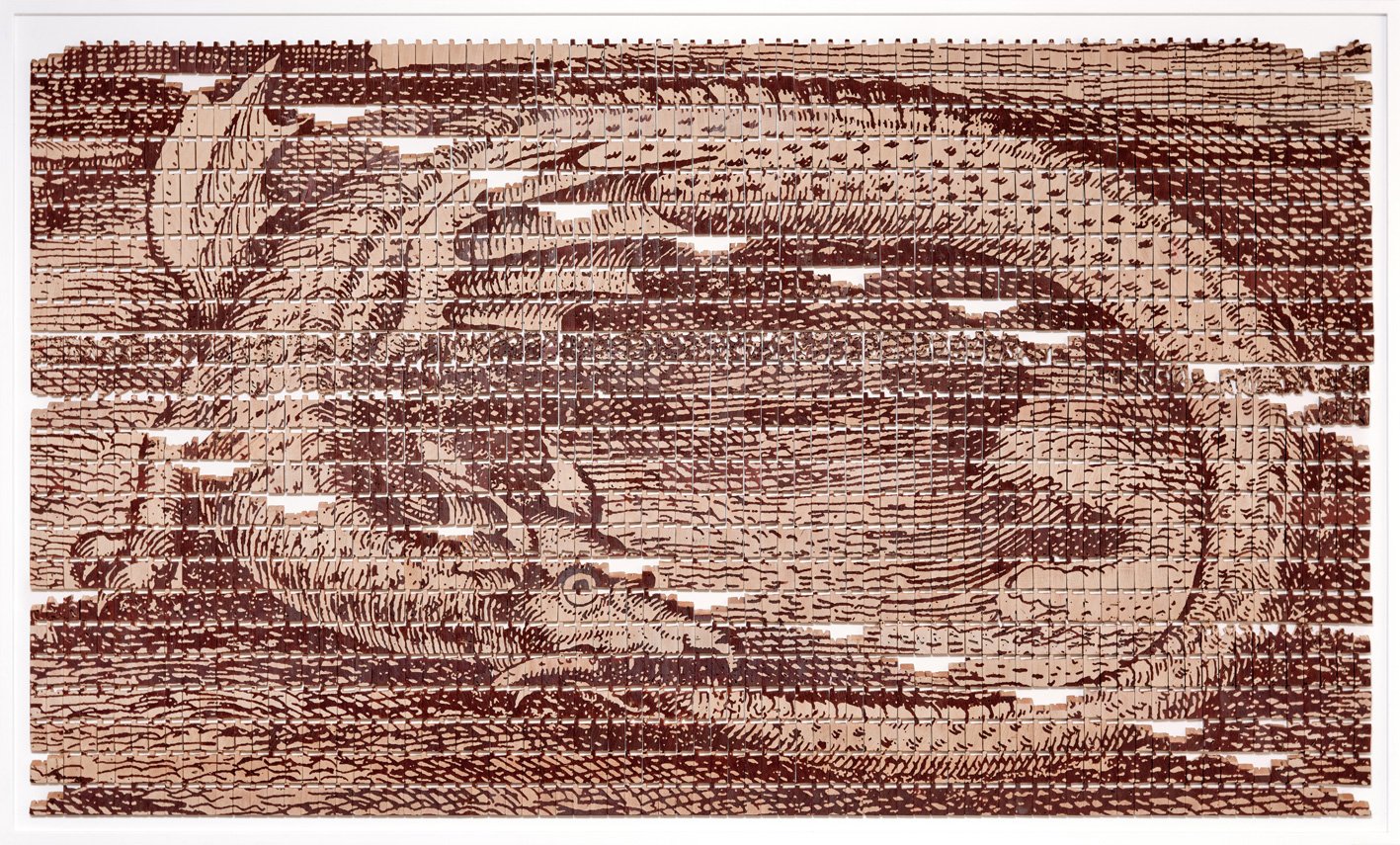
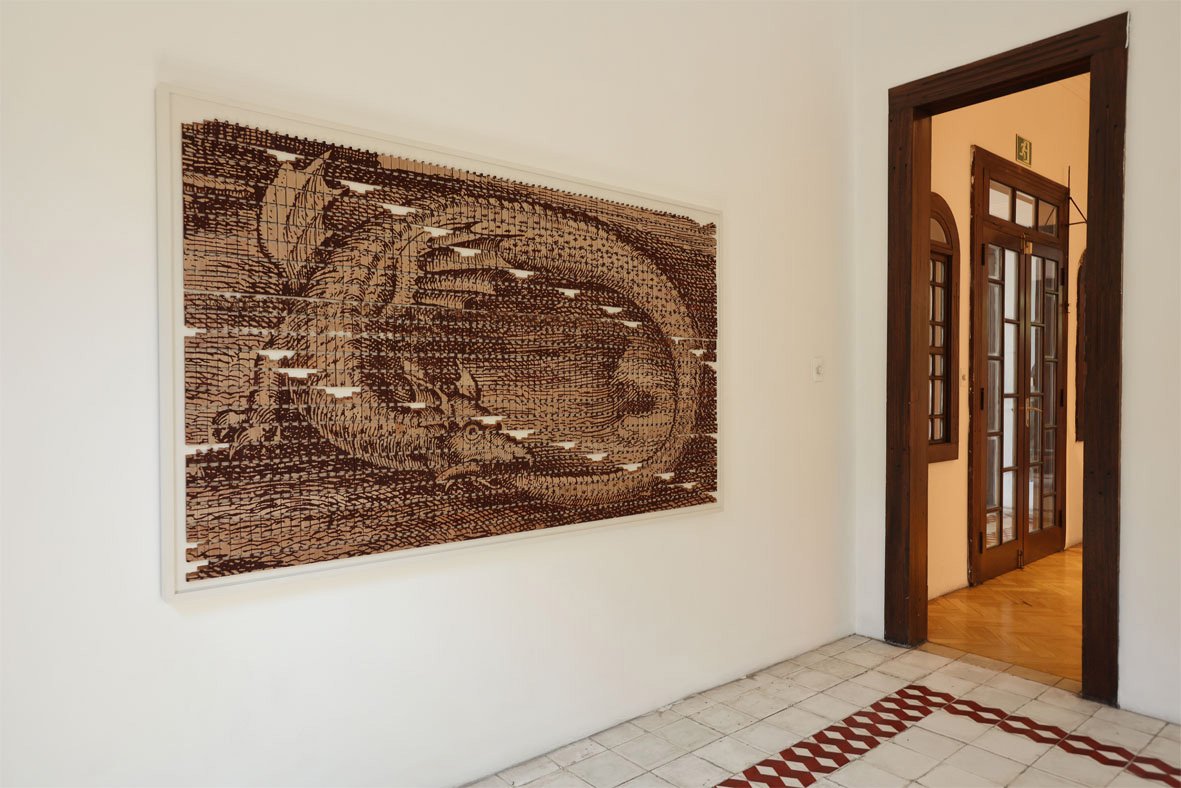
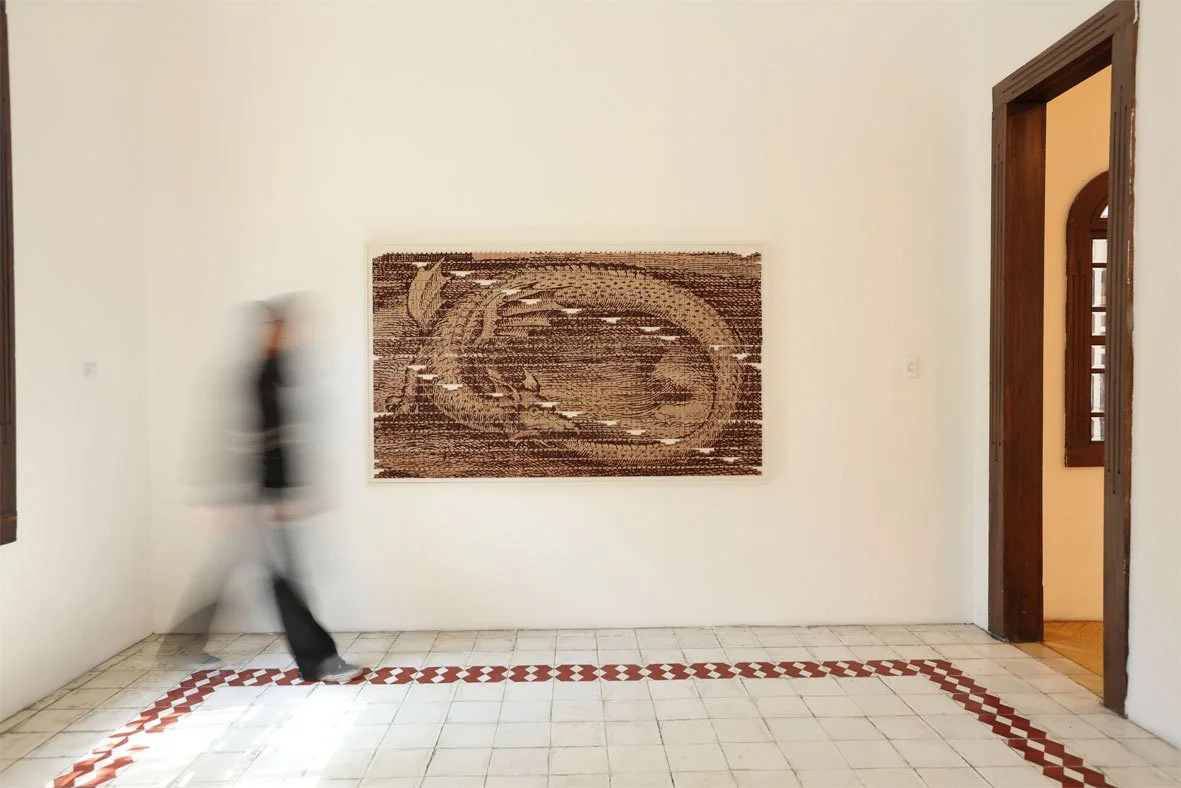
Uróboros, 2026
1,896 sections of old, moth-eaten frames from the National School of Plastic Arts, hand-painted with color sanguine using screen-printing ink.
2.04 x 1.22 meters
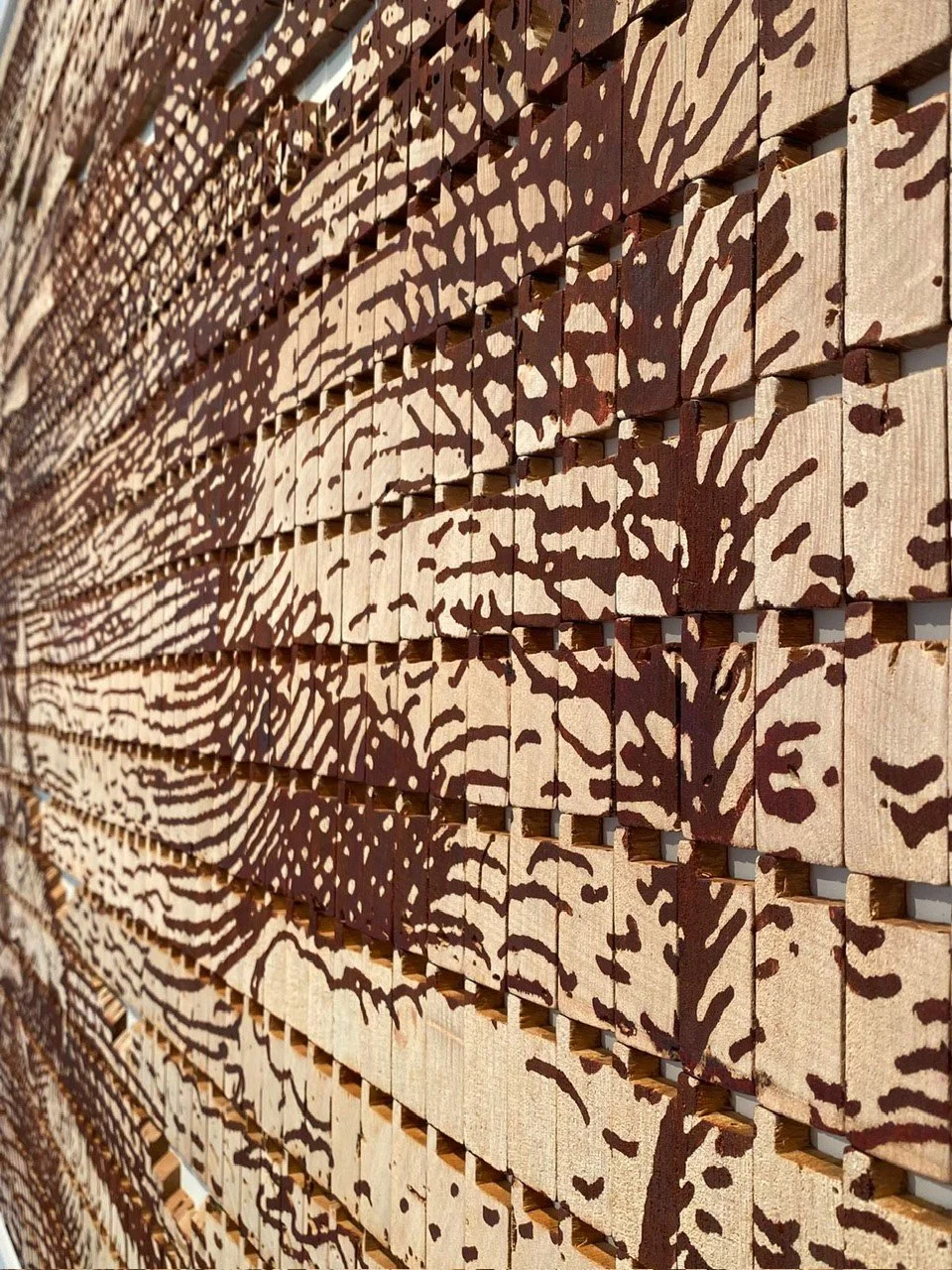
Detail of the work. Each section was cut by the artist, maintaining a sequence.
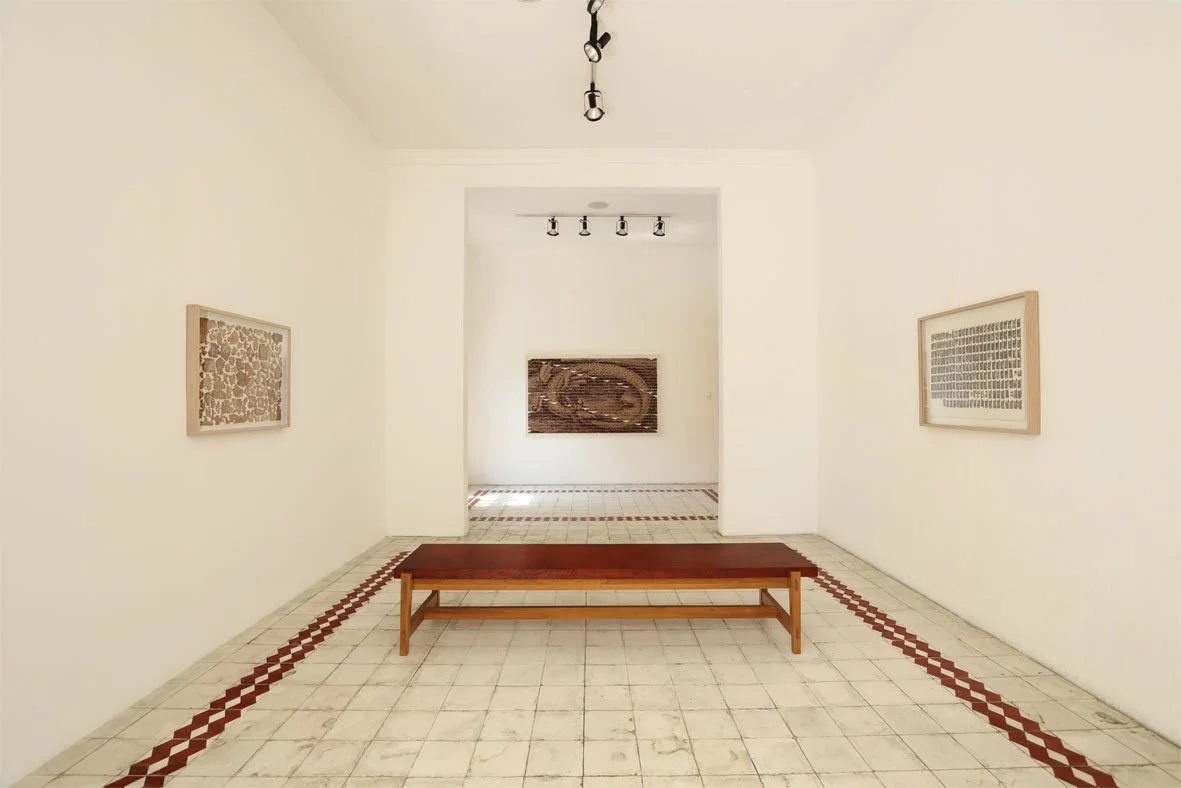
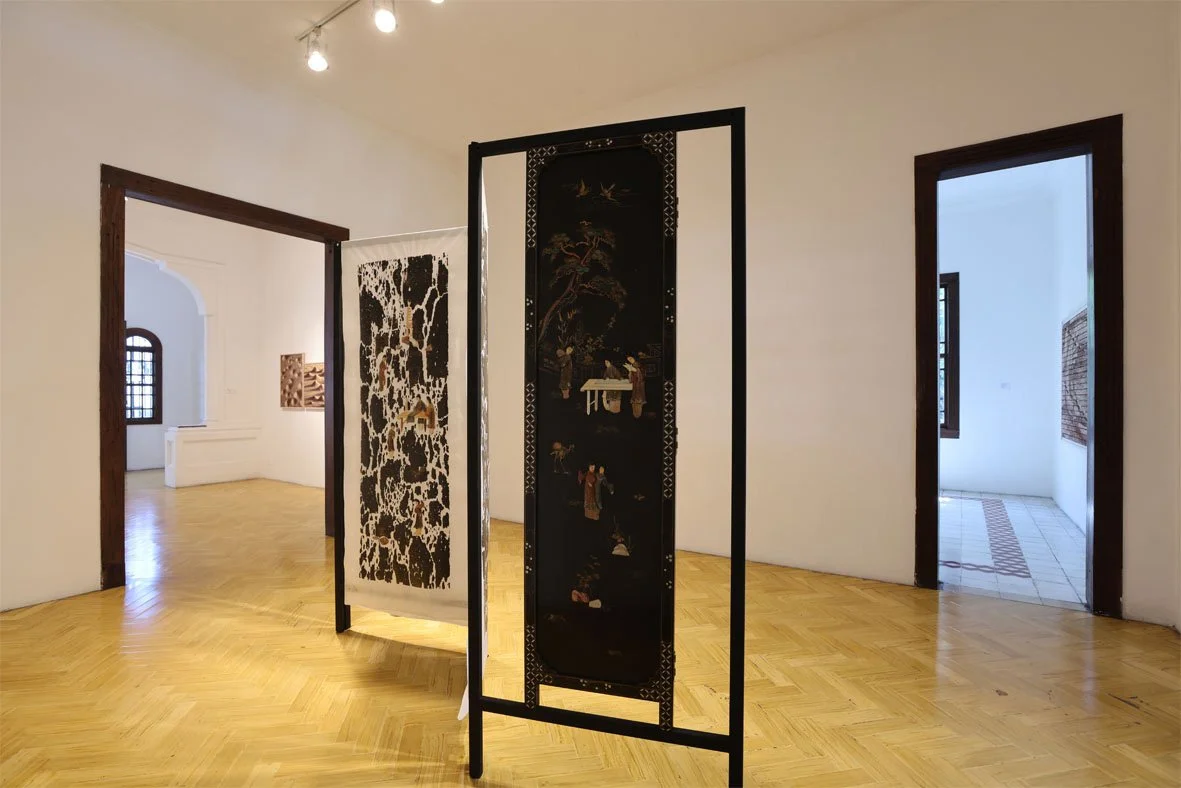
Partial view of the exhibition at the Sol del Río Gallery.
Partial view of the exhibition at the Sol del Río Gallery.
Partial view of the exhibition at the Sol del Río Gallery.
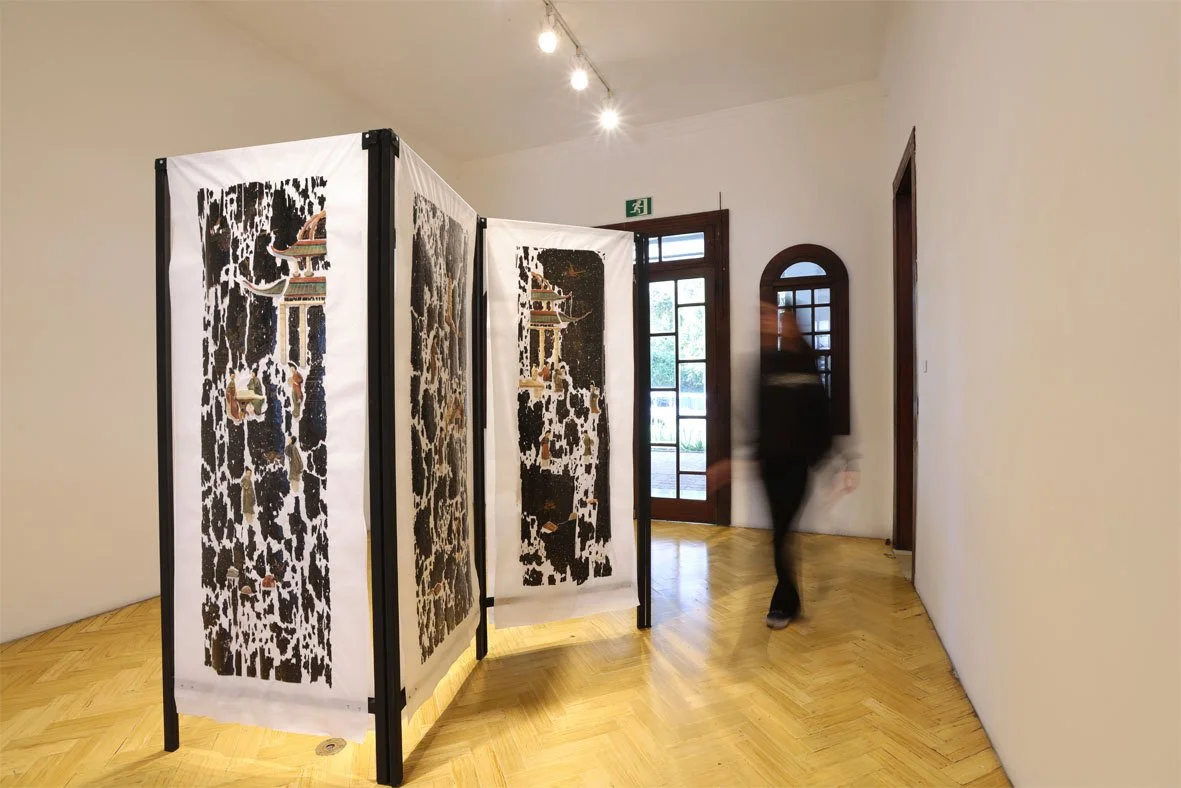
Piel. 2026
Lacquered folding screen over 100 years old. Damaged by moths.
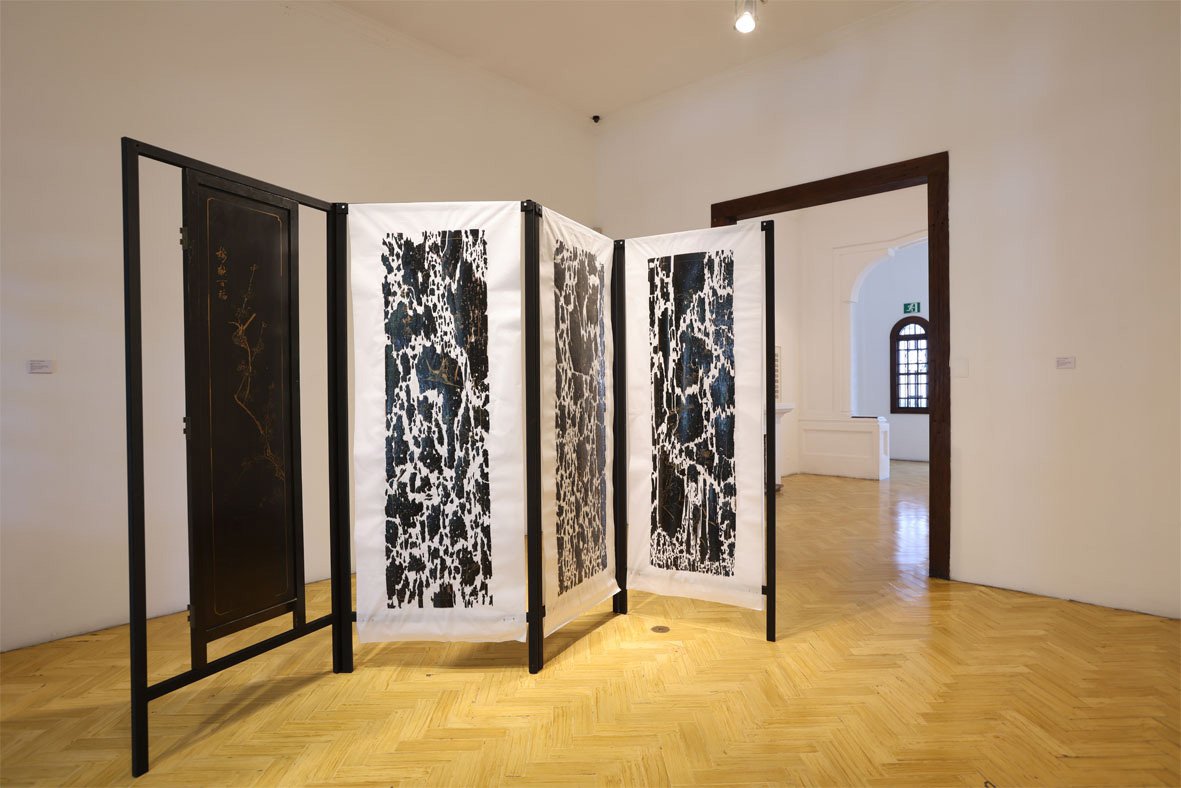
The artist retains the "skin" of the folding screen—that is, the thin layer of black lacquer paint—and transfers it onto Japanese paper canvases.
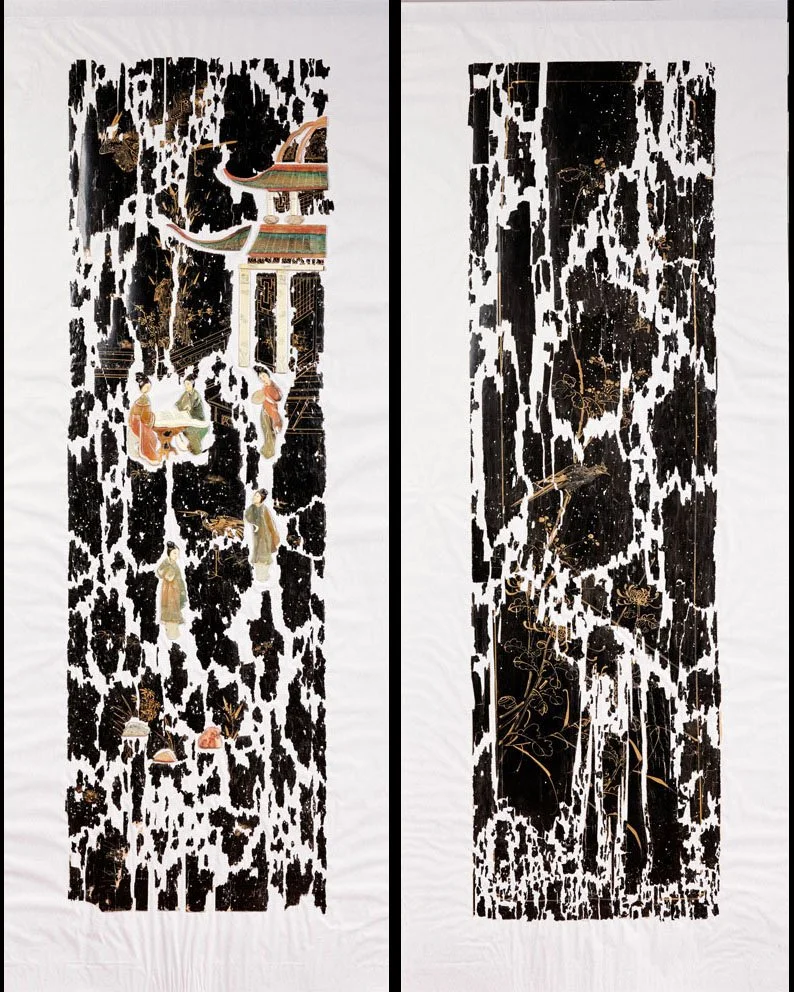
The two sides of the folding screen: front and back.
Each section of the screen is 1.92 x 0.74 meters
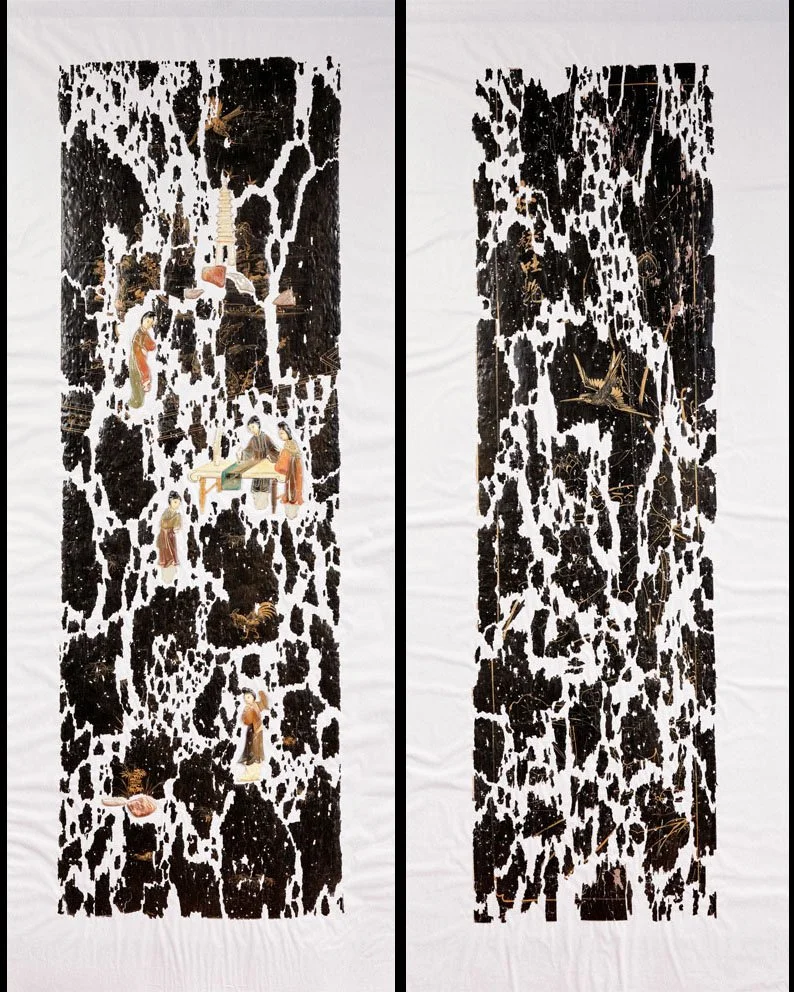
The two sides of the folding screen: front and back.
Each section of the screen is 1.92 x 0.74 meters
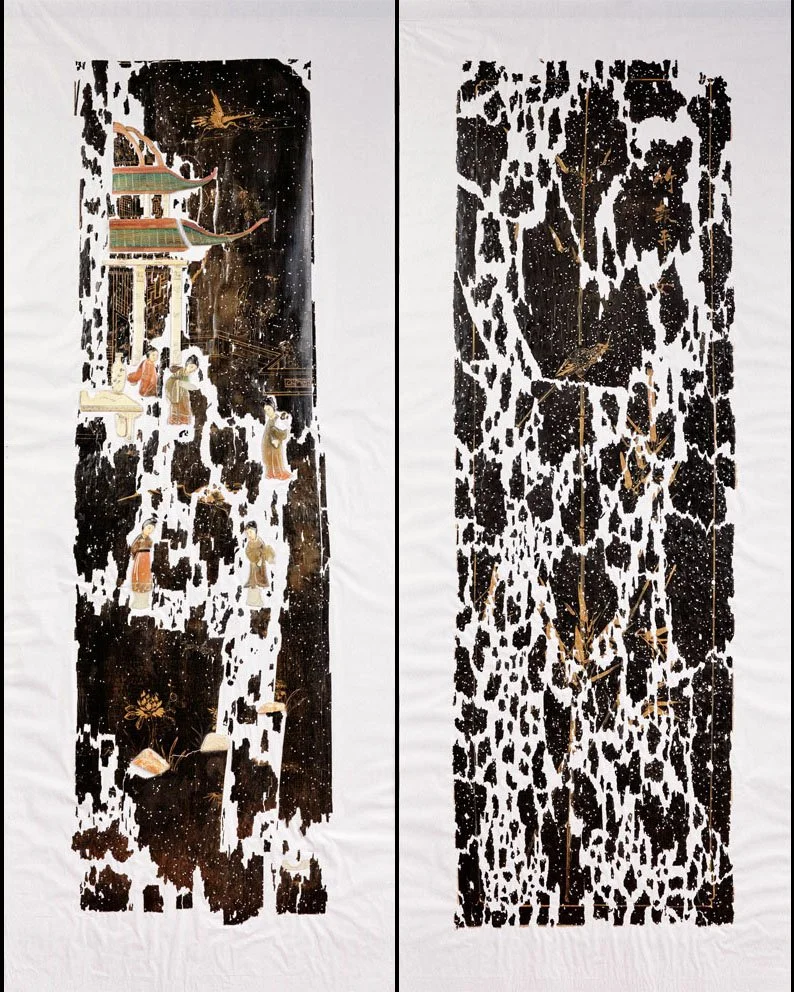
The two sides of the folding screen: front and back.
Each section of the screen is 1.92 x 0.74 meters
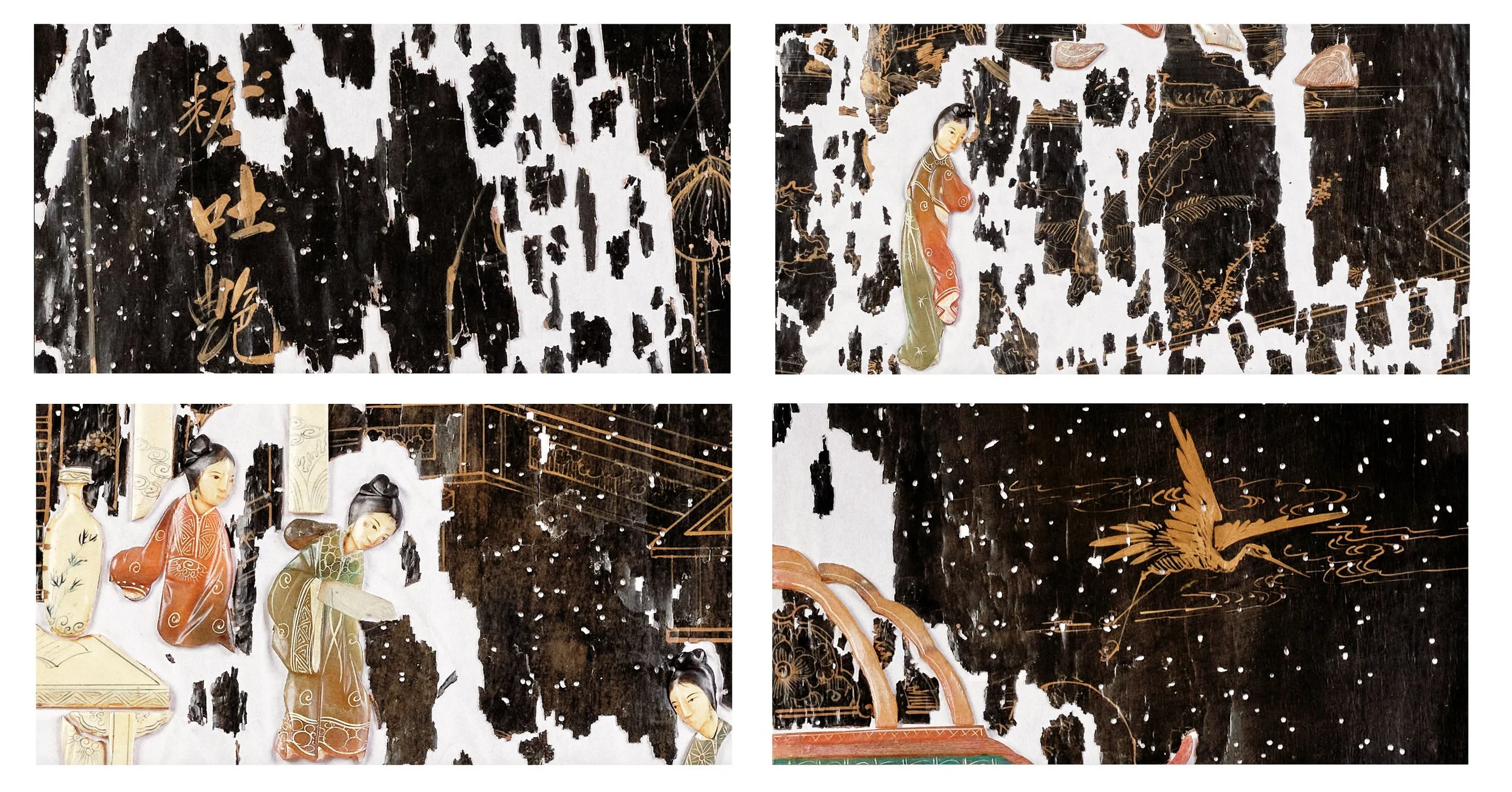
Screen sections, close-up details
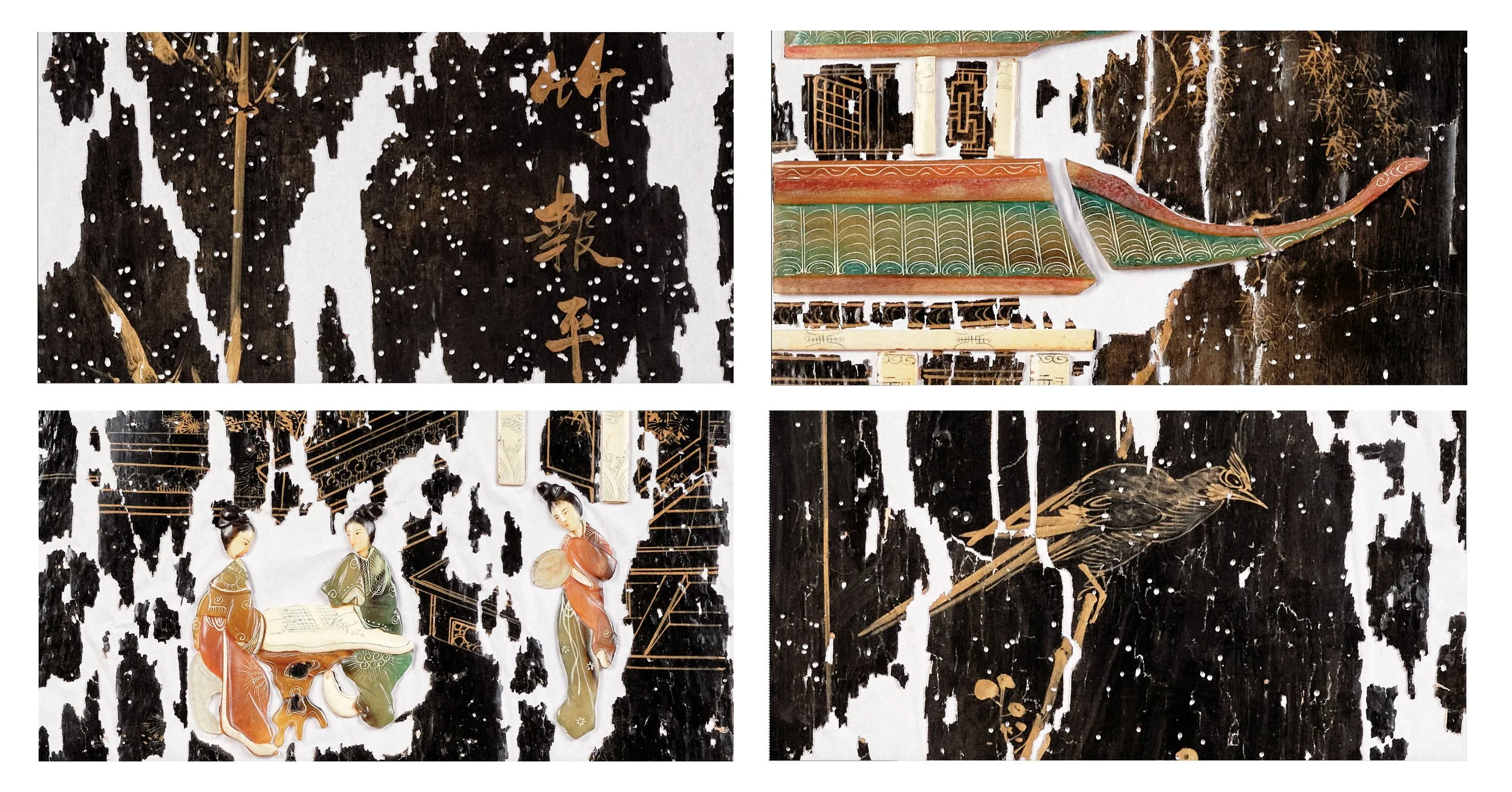
Screen sections, close-up details
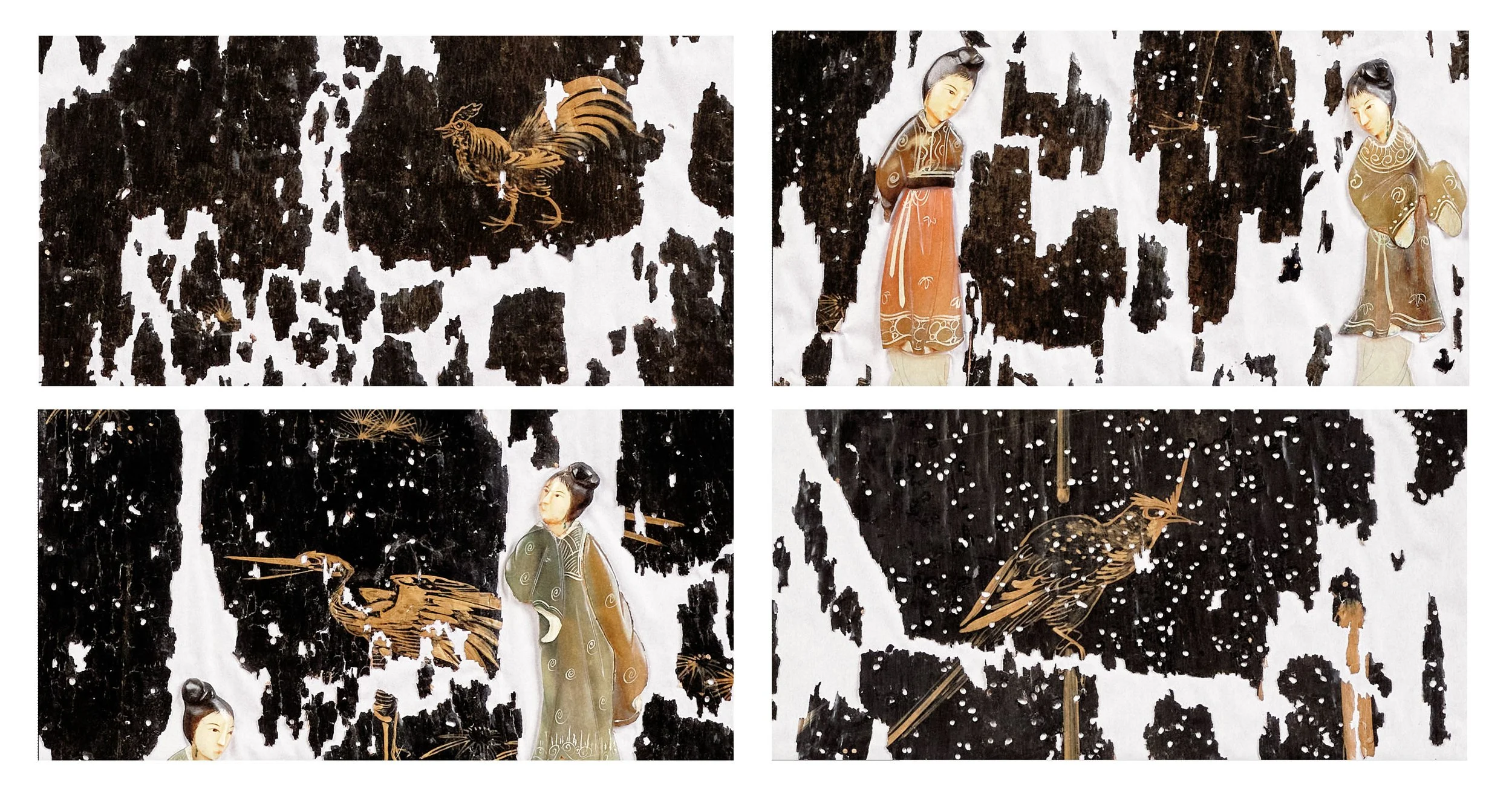
Screen sections, close-up details
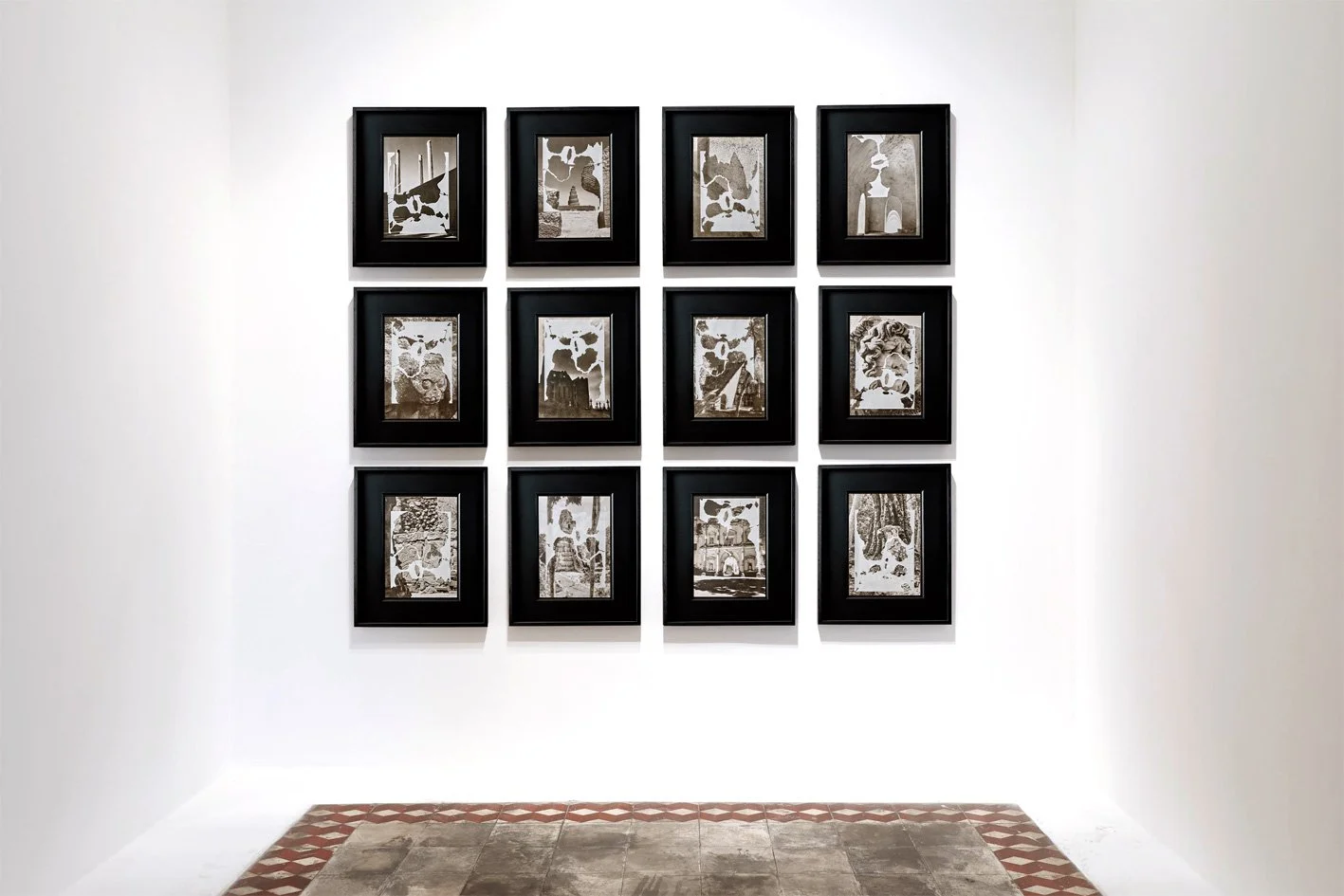
Ruina, ruina, 2026
Set of 12 collages: pages from the book *Pleasure of Ruins* and sheets of bond paper altered by moths.
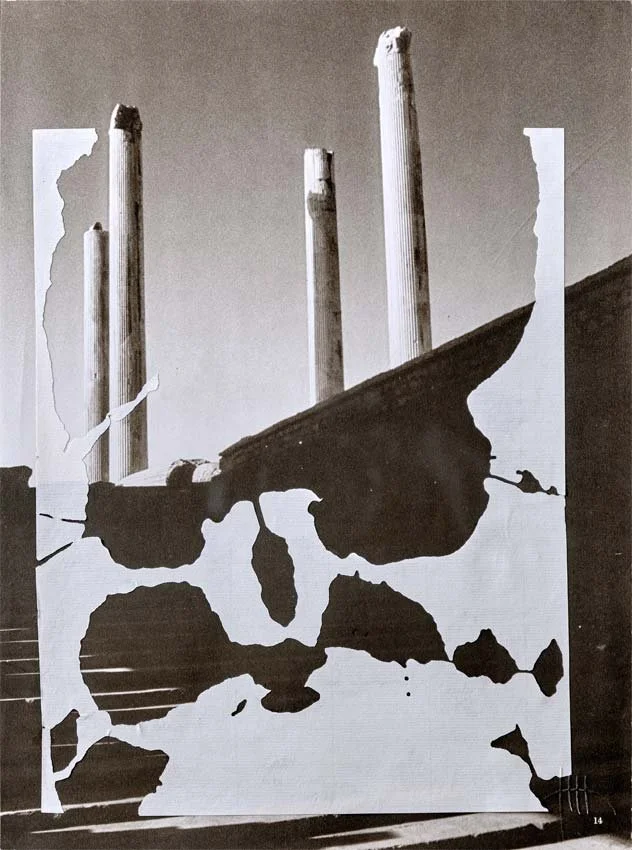
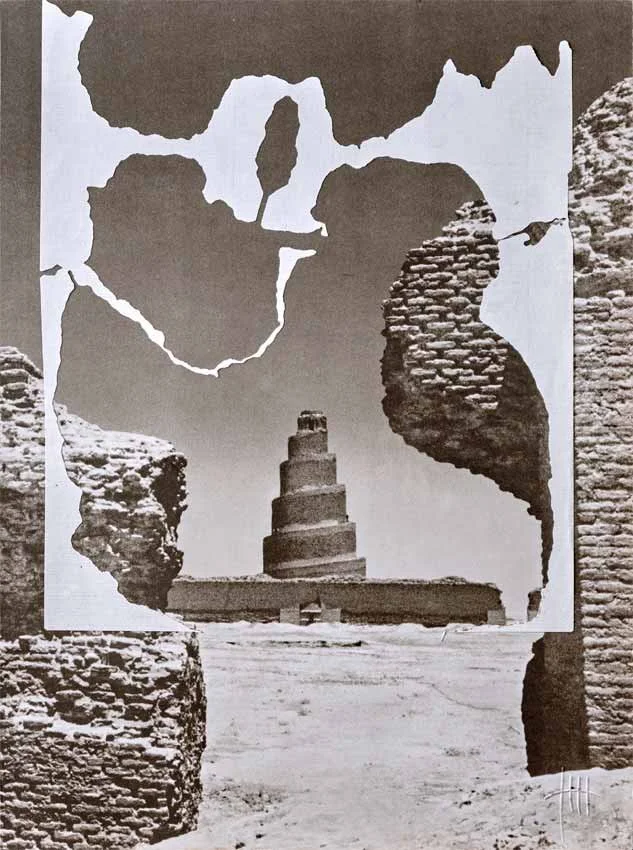
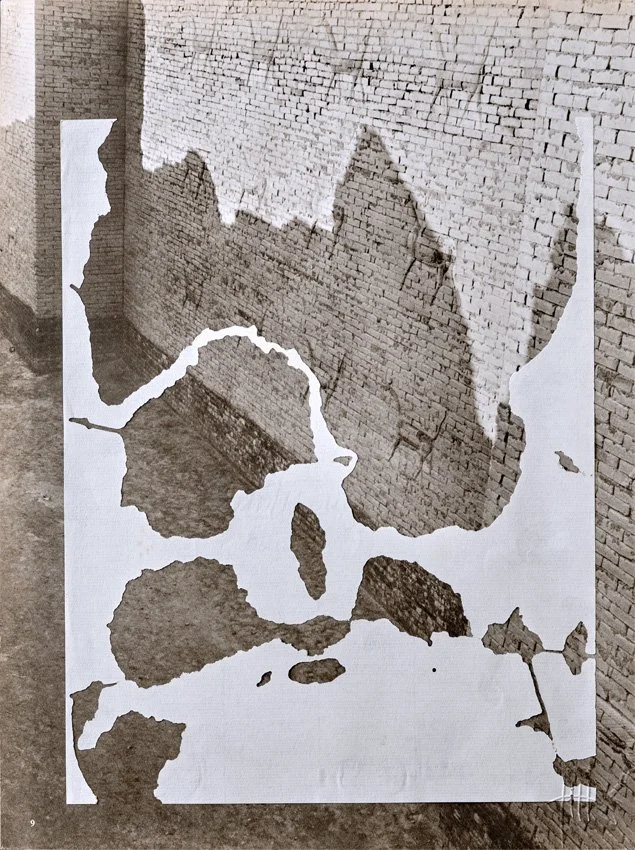
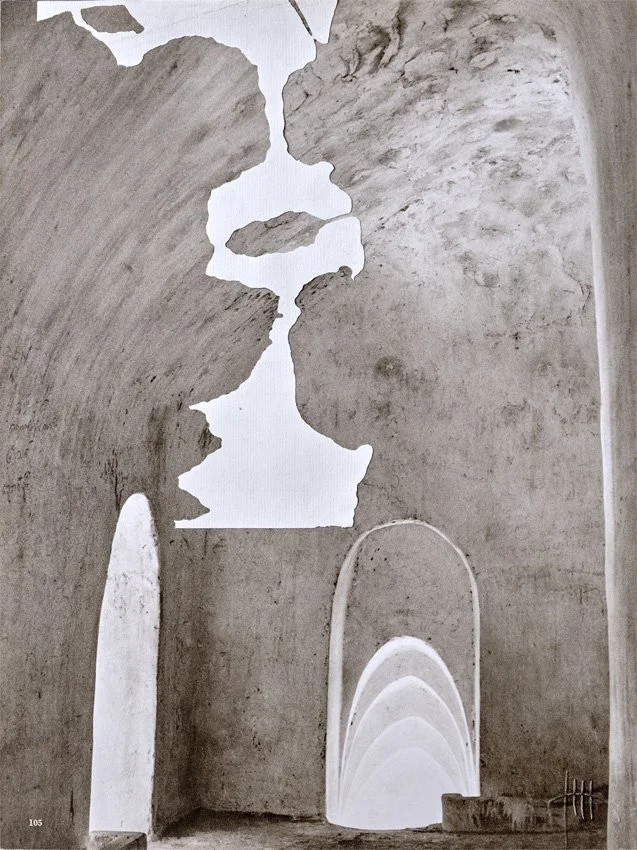
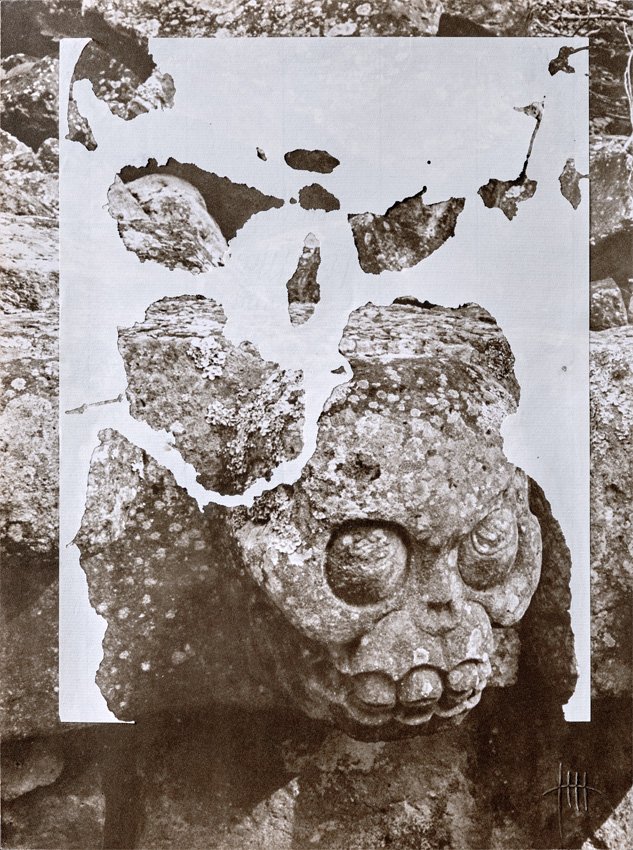
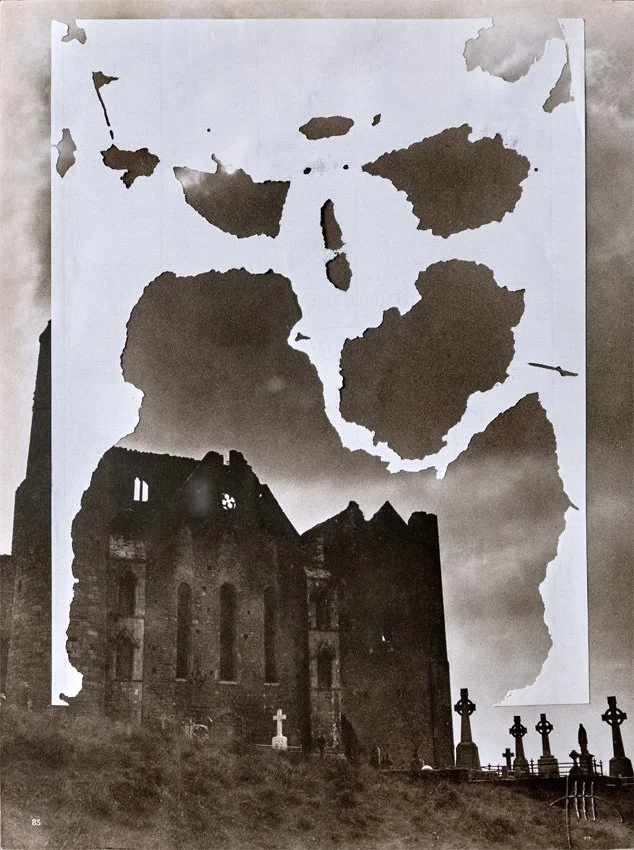
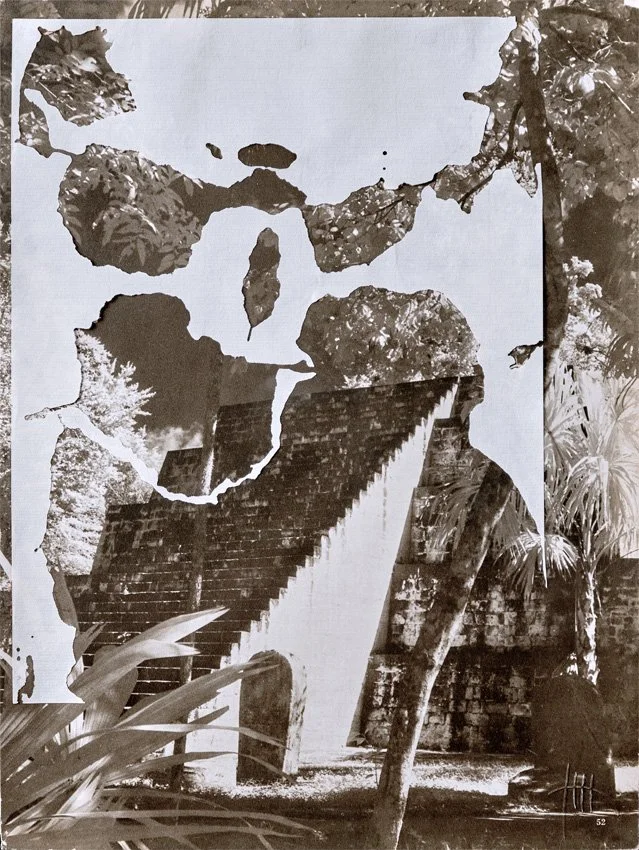
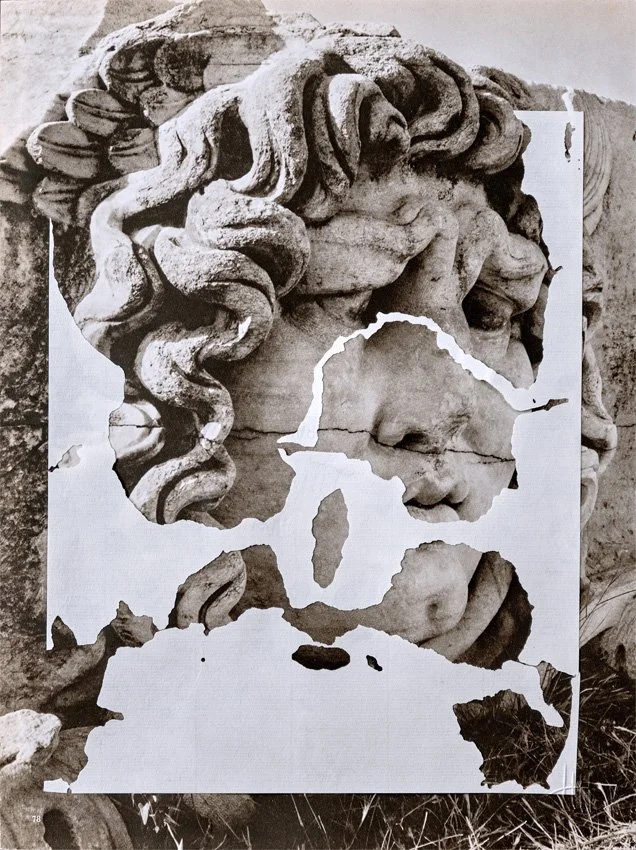
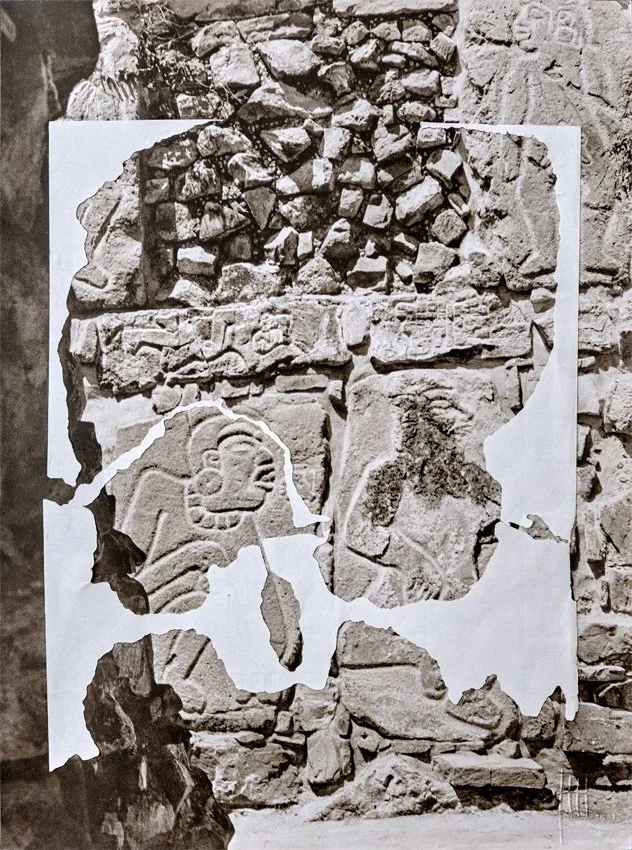
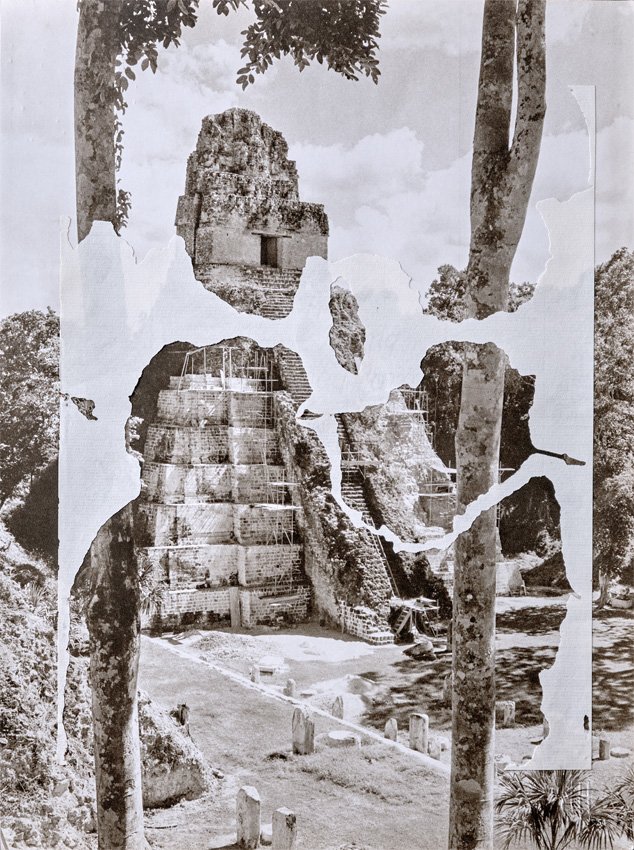
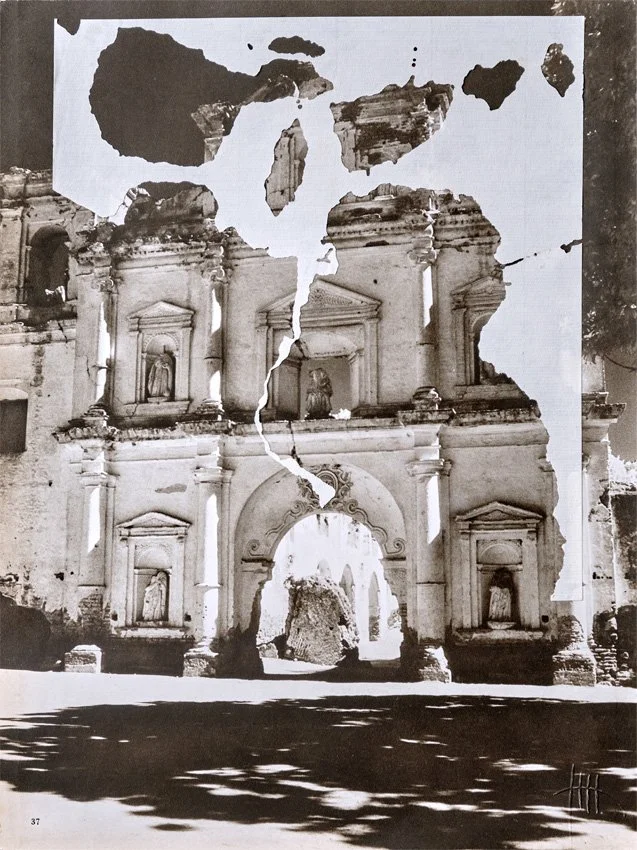
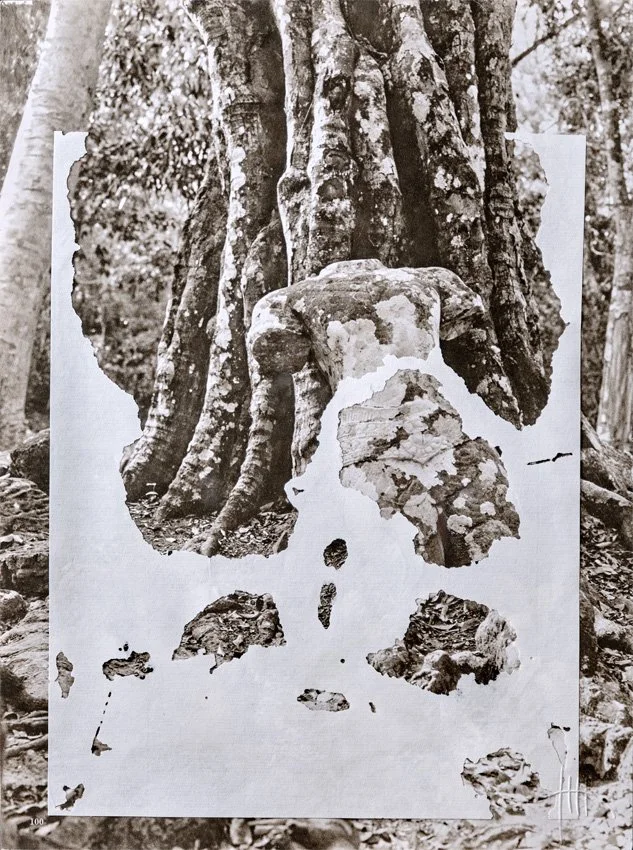
12 collages.

Dimensions of each collage: 26 x 34 cm. Framed: 45.5 x 54.5 cm.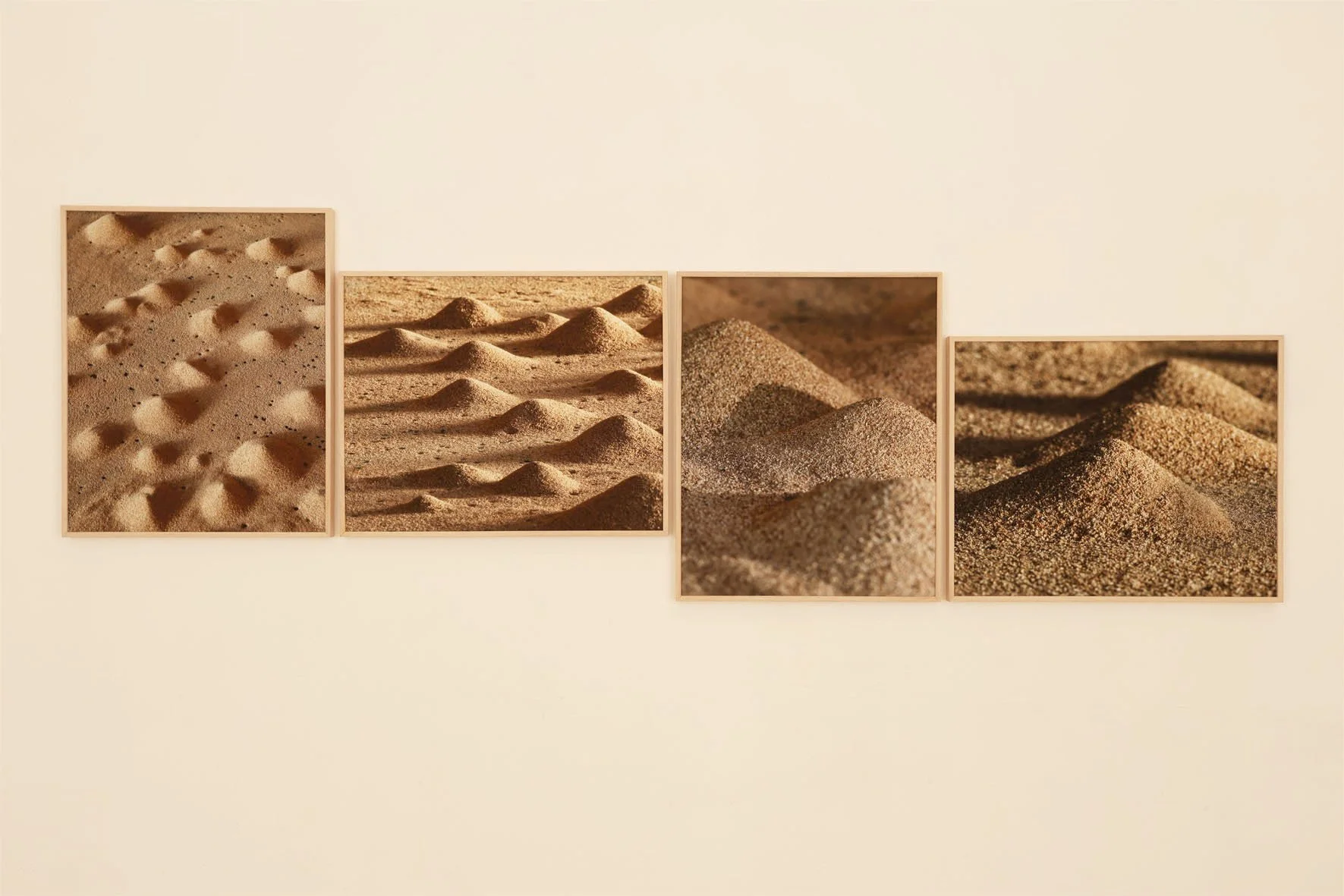
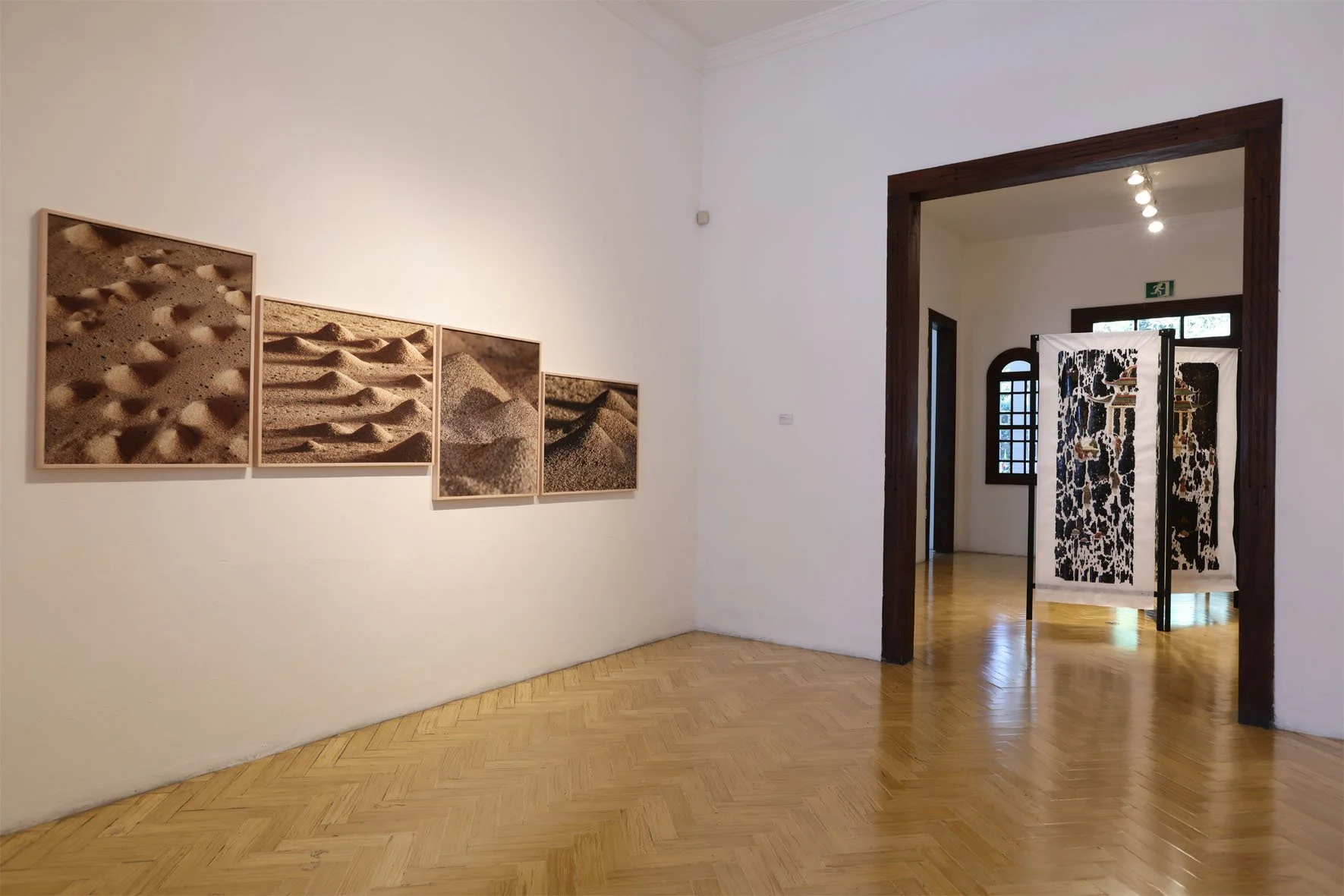
El Reino del Silencio. 2026
Each photograph 62 x 76.5 cms.
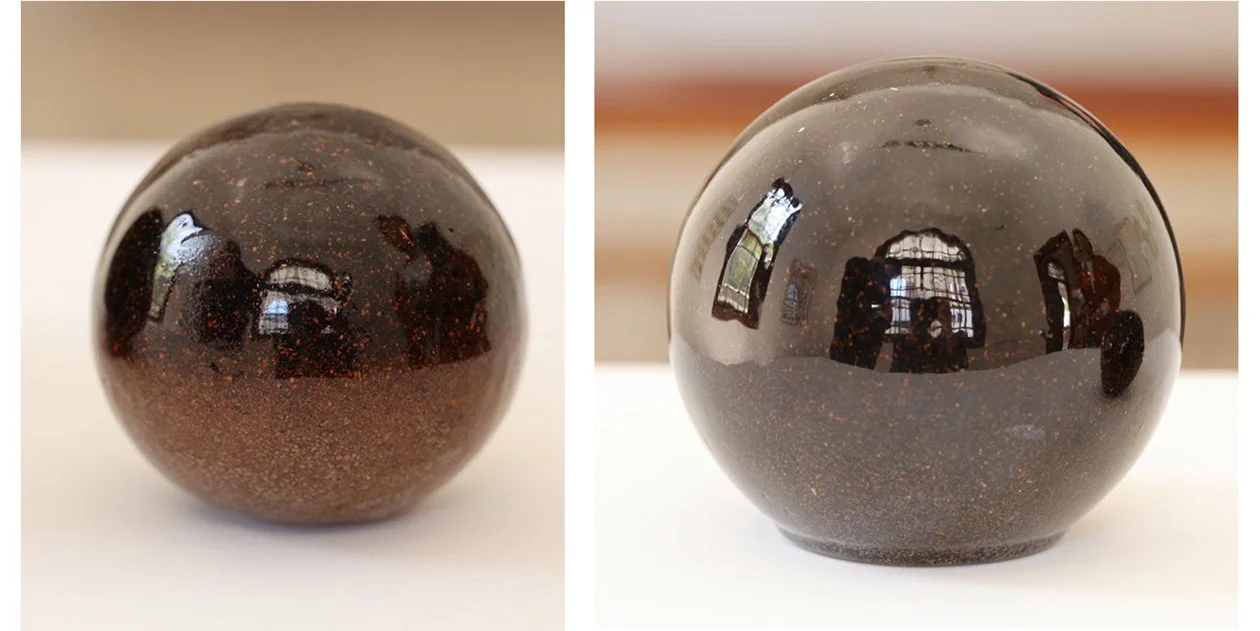
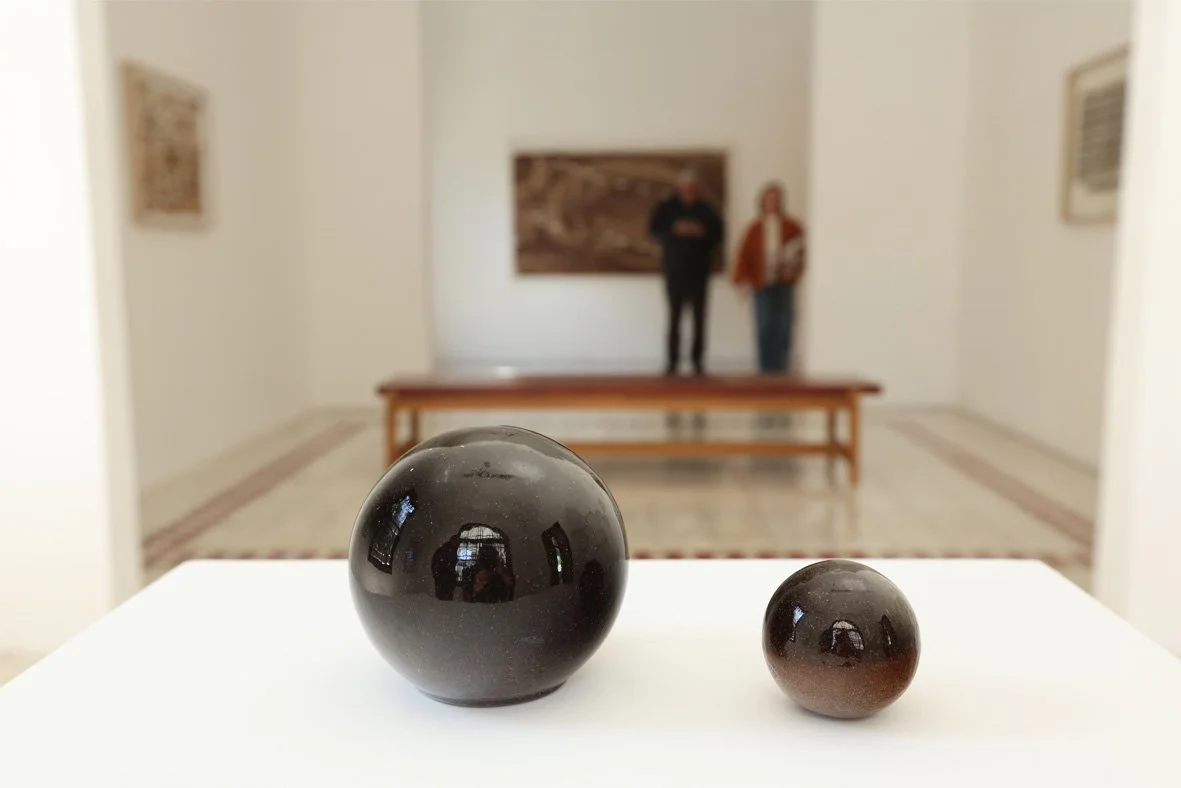
Mundos de memoria. 2026
Spheres made of clear resin and termite sediment (excrement).
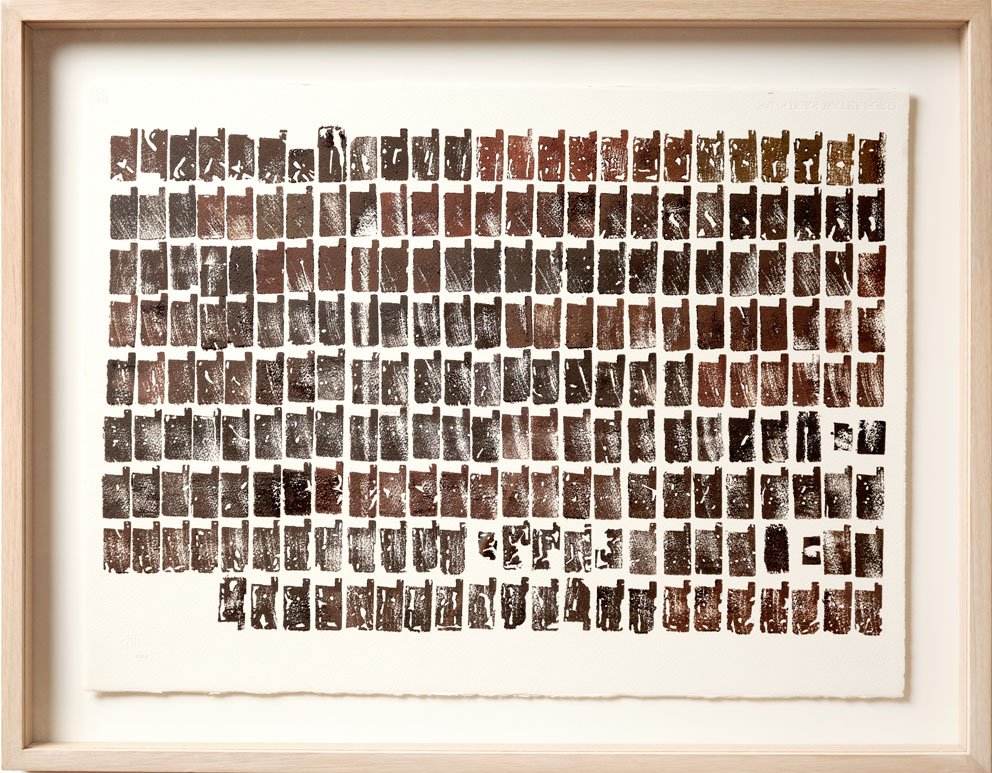
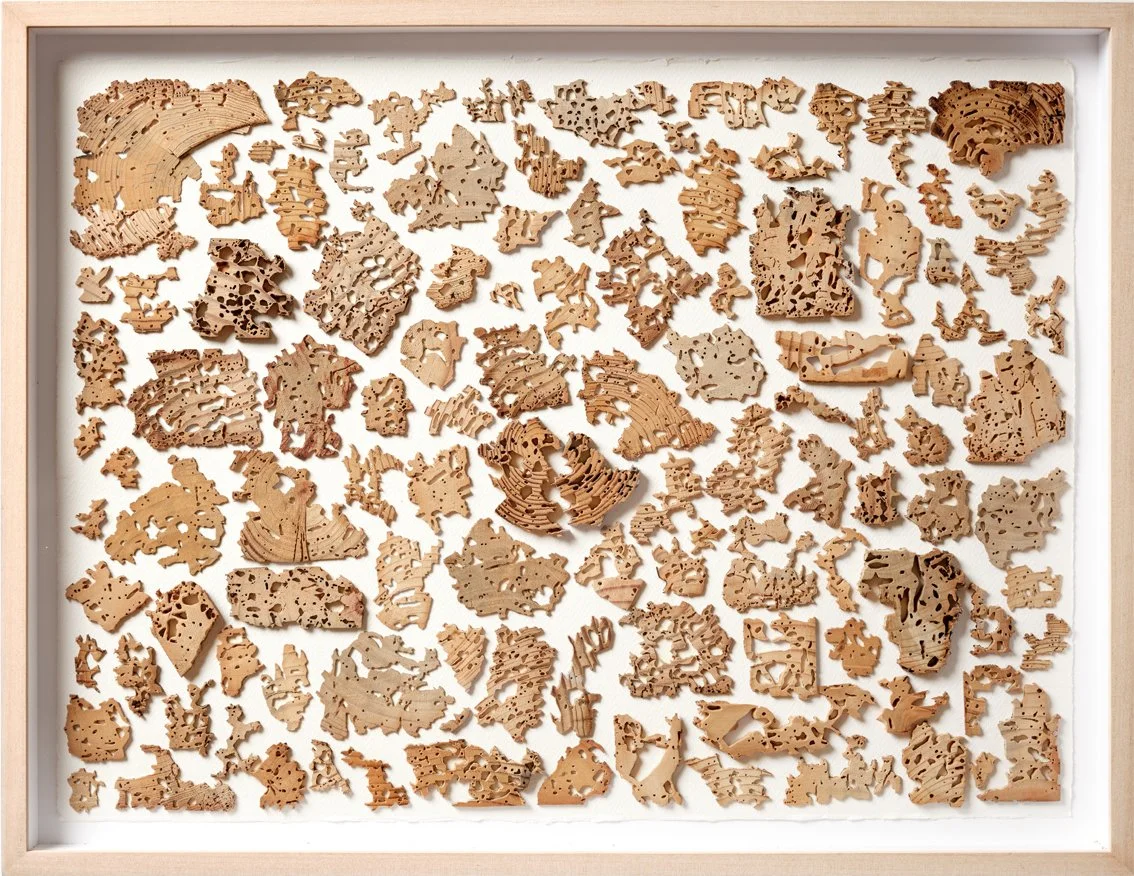
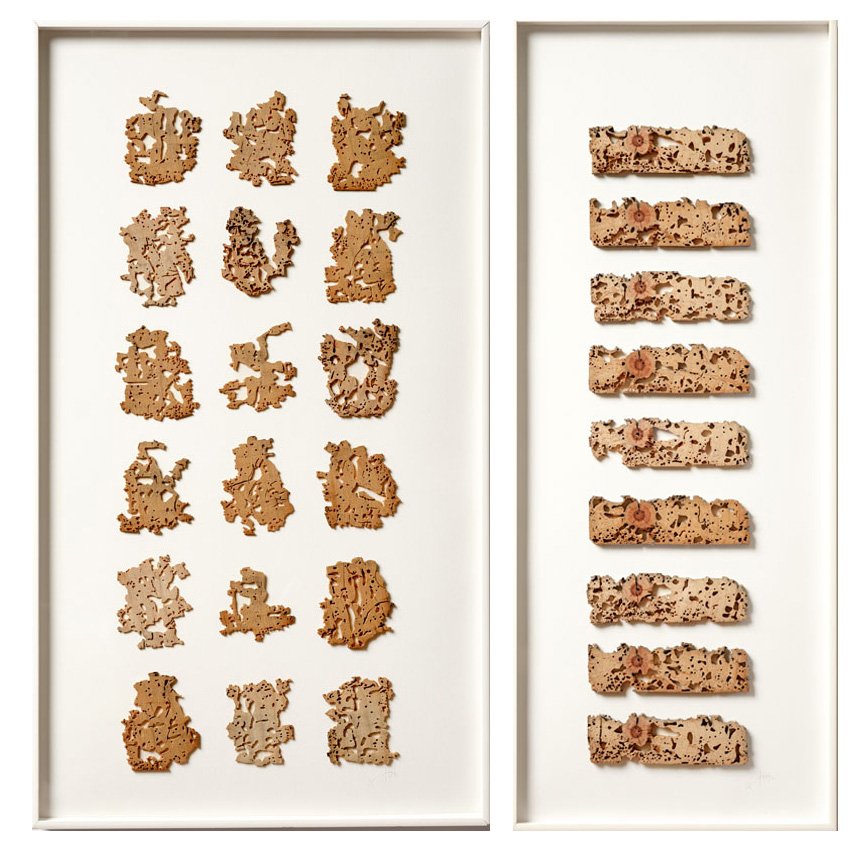
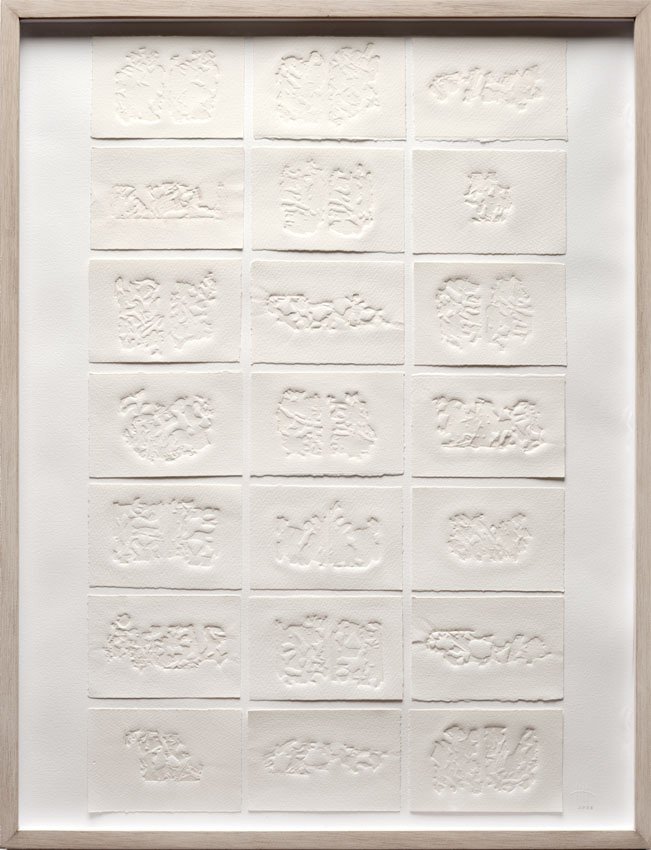
221 engravings. The matrix is an old, worm-eaten frame from the National School of Plastic Arts. 2026